EN
EN

Hospitals
Specialties & Packages
Health Hub
Patients & Visitors




 e-Shop
 Find A Doctor
 Request an Appointment
 International Patient
 +603 4141 3000
 +603 4141 3131


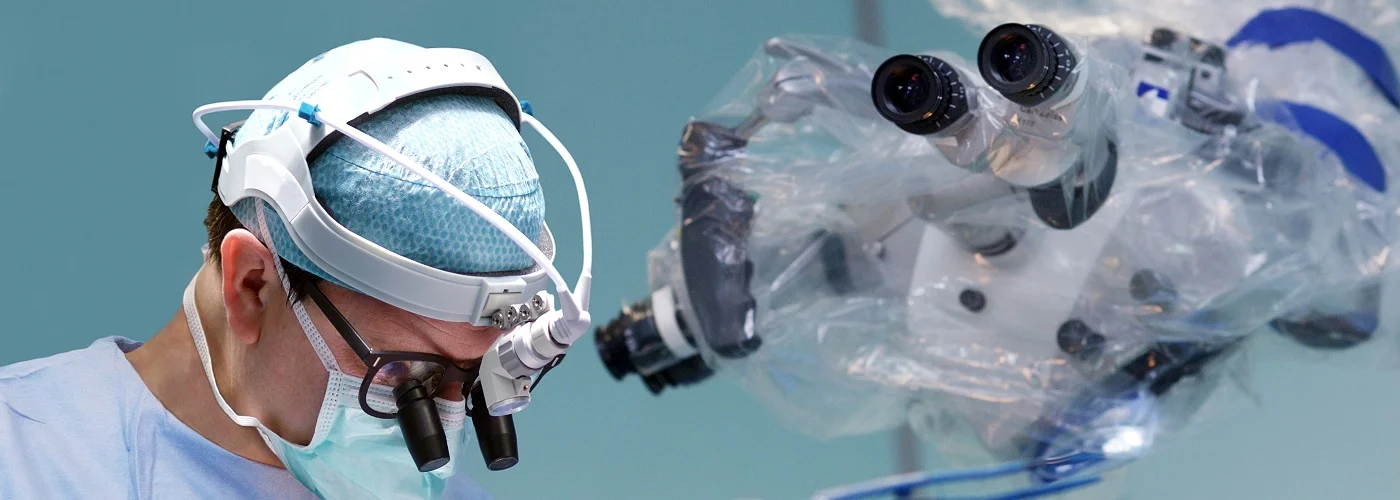
Laparoscopic surgery, also known as laparoscopy or keyhole surgery, is a type of minimally invasive surgical procedure that allows a surgeon to access the internal organs (abdomen or pelvis) through 3 -4 tiny, buttonhole incisions without large incisions. During a laparoscopic surgery, a small camera (laparoscope) and specialised instruments are inserted to view, diagnose, and treat a wide range of medical conditions.
Compared to traditional open surgery, laparoscopy offers patients less pain, smaller scars, faster recovery times, and reduced hospital stays. In some cases, laparoscopic surgery can be performed using advanced robotic-assisted technology for even greater precision.
Laparoscopic surgery is widely used across different medical specialties because of its minimally invasive nature and faster recovery times. Depending on the patient’s condition, surgeons may recommend one of the following laparoscopy procedures:
| Specialty | Types of Surgery |
| Bariatric (Obesity) Surgery | Intragastric Balloon Gastric Banding Sleeve Gastrectomy Gastric Plication Gastric Bypass |
| Cardiology | Transluminal Coronary Angioplasty (PTCA) |
| ENT & Neurosurgery | Endoscopic Pituitary Surgery Functional Endoscopic Sinus Surgery (FESS) |
| General Surgery | Benign & Cancer Gastrointestinal (Oesophageal, Stomach, Appendix, Large &
Small Intestines) Hernia (Abdominal Wall, Groin & etc) Hepatobiliary Pancreatic Surgery (Gallstones, CBD Stone, Pancreatic Pseudocyst & etc) Spleen Endoscopic Thyroid Surgery Percutaneous Endoscopic Gastrostomy (PEG) Diagnostic Procedures (Biopsies etc.) |
| Gynaecology | Diagnostic Laparoscopy + Dye Insufflation Laparoscopic Ovarian Drilling Laparoscopic Salpingectomy/ Salpingostomy Laparoscopic Ovarian Cystectomy, Oophorectomy, Myomectomy Laparoscopic Assisted Vaginal Hysterectomy, Laparoscopic Hysterectomy |
| Neurosurgery | Computer-aided Surgery Craniotomy Ventriculostomy, Biopsies |
| Orthopaedic | Joints, Ligaments Reconstruction & Repair |
| Paediatric Surgery | Intestines Tumours Appendicitis Hernias |
| Paediatric Urology | Testicular Problems Varicocele |
| Spinal Surgery | Endoscopic Discectomy Nucleoplasty Vertebroplasty Kyphoplasty |
| Surgical Oncology | Distal Pancreatectomy Laparoscopic Colectomy Mesorectal Resection Sentinel Node Mapping For Breast & Colon Cancer Colonic Stenting For Tumors |
| Thoracic Surgery | Video-Assisted Thoracoscopic Surgery (VATS) |
| Urology | Tumours, Varicocele |
At Gleneagles Kuala Lumpur, we uphold our commitment to delivering safe, effective, and personalised care for every patient undergoing laparoscopy. Our goal is to ensure that the most effective surgical methods are used to put you on the fast track to recovery and rehabilitation. Our advanced technologies aim to diagnose and treat each patient's conditions for the best possible outcome while ensuring that any side effects and recovery time are minimised.
We believe that each patient is unique with their specific expectations and requirements and our team of dedicated and experienced surgeons ensure this via a planned discussion and guided counsel through the most crucial areas concerning treatment.
With Gleneagles Kuala Lumpur, you can be assured of comprehensive care that focuses not just on surgery but on your recovery and long-term wellbeing.
Laparoscopic Cholecystectomy, the surgical removal of the gallbladder, is one of the many procedures where we implement our Value Driven Outcome (VDO) approach. At Gleneagles Hospital Kuala Lumpur, we ensure that this minimally invasive procedure is performed with the utmost precision and care. By utilising advanced laparoscopic surgery techniques, we minimise patient discomfort, reduce recovery times, and enhance overall surgical outcomes.
Our adherence to stringent quality indicators allows us to maintain high standards of care and achieve superior clinical results. Patients undergoing Laparoscopic Cholecystectomy at GKL can expect a seamless surgical experience with a focus on safety, efficiency, and effective pain management.
Inclusion factors of Laparoscopic Cholecystectomy are as follow:
Exclusion factors of Laparoscopic Cholecystectomy are as follow:
If you are undergoing a diagnostic laparoscopy (to identify a condition), the procedure usually takes around 30 to 60 minutes. If you are having laparoscopy surgery to treat a condition, it may take longer.
Here’s what typically happens during the procedure:
This minimally invasive approach allows patients to experience smaller incisions, quicker recovery, and reduced discomfort compared to traditional open surgery.
Most people can go home the same day or the next day after a laparoscopy. Recovery times vary, but with adequate rest, most individuals return to normal activities much faster than with open surgery.
Compared to traditional open surgery, laparoscopic surgery offers several benefits:
Laparoscopy is generally safe, but complications may occur.
Minor risks:
Serious (rare) risks:

If you’re considering laparoscopic surgery or need a second opinion, the experienced surgeons at Gleneagles Hospital Kuala Lumpur are here to help. With advanced facilities, minimally invasive techniques, and personalised post-surgery care, we ensure a safe procedure and a faster recovery. Schedule your consultation with Gleneagles Hospital today and take the first step towards better health.
At Gleneagles Hospital Kuala Lumpur, the team of highly skilled laparoscopic surgeons is dedicated to delivering safe, precise, and effective treatments tailored to your needs. With years of experience and access to advanced technology, the specialists provide compassionate care every step of the way, from consultation to recovery. Book an appointment today and let the experts guide you towards a smoother, faster healing journey.


Wait a minute
Wait a minute