

Topics
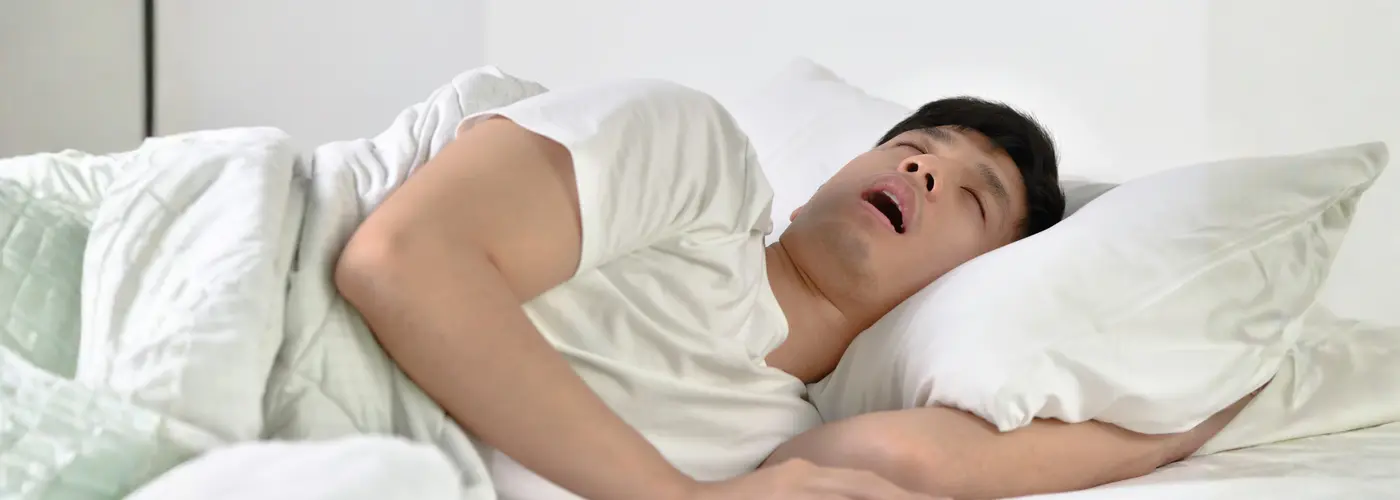
Obstructive Sleep Apnoea (OSA) is a prevalent yet severe sleep disorder where breathing constantly stops and starts during sleep because of airway blockage. This interruption is normally accompanied by loud snoring or gasping, causing poor sleep quality and oxygen deprivation. OSA can notably impact a person’s everyday functioning and health in the long run, despite being regularly underdiagnosed.
Individuals with OSA may wake up feeling unrefreshed, go through daytime drowsiness, and find it challenging to concentrate. In serious cases, untreated OSA can cause complications like cardiovascular issues, high blood pressure, and stroke. Thankfully, effective treatments and lifestyle changes can significantly enhance sleep quality and decrease connected risks.
Causes of Sleep Apnoea?
OSA happens when the muscles at the back of the throat overly relax during sleep, leading to the narrowing or collapse of the airway. This interruption obstructs airflow, decreases blood oxygen levels, and causes the brain to briefly wake the person to restore normal breathing.
Relaxation of Throat Muscles
The soft palate and tongue muscles may relax and block the airway during sleep, preventing effective breathing.
Obesity
Too much fat clogging the upper airway is a big contributing factor to airway blockage, specifically in individuals with a higher body mass index (BMI).
Enlarged Tonsils or Adenoids
Enlarged tonsils in both children and adults can narrow the airway and elevate the risk of airway obstructions during sleep.
Family History
Genetics can be a factor. A naturally narrow throat or a family history of OSA may increase your risk.
Smoking and Alcohol Use
Smoking elevates inflammation in the upper airways, while alcohol relaxes the muscles of the throat, both of which contribute to sleep apnoea.
Chronic Nasal Congestion
Persistent nasal blockage, because of allergies or anatomical abnormalities, may increase the possibility of developing OSA.
Does Sleep Apnoea Elevate the Risk of Health Complications?
Yes, OSA can cause many severe health issues if left untreated. Continuous breathing disruptions can stress the heart, affect mental health, and decrease the quality of life (Felson, 2024).
Daytime Fatigue and Poor Concentration
Sleep disruptions prevent the brain from achieving the deeper, restorative stages of sleep, causing fatigue, poor memory, and an elevated risk of accidents.
High Blood Pressure
OSA causes abrupt dips in blood oxygen, which elevates blood pressure and stresses the cardiovascular system.
Heart Disease and Stroke
OSA is connected to irregular heart rhythms (arrhythmias), coronary artery disease, heart failure, and stroke.
Type 2 Diabetes
OSA can lead to insulin resistance and glucose intolerance, elevating the risk of developing type 2 diabetes.
Liver and Kidney Dysfunction
OSA that is left untreated may impact liver function and elevate the risk of chronic kidney disease caused by poor oxygenation during sleep.
Eye Problems
Studies have connected OSA to glaucoma and other eye conditions, although these are normally treatable once diagnosed.
Surgery Risks
OSA can lead to complications under anaesthesia, specifically during procedures that include lying on the back or using sedatives.
Depression and Mood Disorders
Constant sleep deprivation may result in mood swings, anxiety, or even depression.
Treatments for Sleep Apnoea
OSA is treatable with a bunch of non-invasive and surgical interventions. The treatment option depends on the seriousness of the condition and patient preferences.
Continuous Positive Airway Pressure (CPAP)
A CPAP machine sends air pressure through a mask to maintain an open airway during sleep and decrease apnoea episodes.
Oral Appliances
The jaw and tongue can be repositioned using custom mouthpieces to help maintain an open airway.
Lifestyle Adjustments
Weight loss, quitting smoking, and decreased alcohol intake can notably decrease or eliminate symptoms of mild to moderate OSA.
Positional Therapy
Some individuals mainly go through OSA when sleeping on their backs. Sleeping on one’s side can help maintain an open airway.
Surgery
Procedures such as Uvulopalatopharyngoplasty (UPPP), tonsil removal, or jaw surgery may be essential in serious cases or when other treatments fail.
Nasal Devices
Nasal dilators or sprays may be used to enhance airflow in those with chronic nasal congestion.
Frequently Asked Questions (FAQ)
1. What are the signs of obstructive sleep apnoea?
Common symptoms include loud snoring, waking up gasping, excessive daytime sleepiness, morning headaches, and mood swings. A diagnosis can be confirmed through a sleep study.
2. Is sleep apnoea dangerous?
Yes. OSA that is left untreated can elevate the risk of high blood pressure, heart attack, stroke, diabetes, and even abrupt cardiac death in serious cases.
3. Can children get obstructive sleep apnoea?
Yes. Children with enlarged tonsils or adenoids, nasal congestion, or obesity may get OSA. It is usually depicted as restless sleep or behavioural problems during the day.
4. Do I have to use a CPAP machine for life?
Not always. Some individuals improve with weight loss, surgery, or lifestyle adjustments and may no longer rely on CPAP. Treatment plans are tailored to each person and may evolve.
5. I cannot tolerate the CPAP machine; what should I do?
If you feel uncomfortable using the CPAP machine, your doctor may change the settings for you, give you a different mask, or explore alternatives like oral appliances or surgery.
Schedule an Appointment at Gleneagles Hospitals
Obstructive Sleep Apnoea goes beyond snoring—it’s a severe health condition that can quietly affect your quality of life and well-being in the long run. By disrupting your breathing and decreasing oxygen levels, OSA can cause high blood pressure, heart disease, cognitive problems, and even accidents caused by fatigue.
At Gleneagles Hospitals, our team is ready to help you understand, diagnose, and manage sleep disorders such as obstructive sleep apnoea. We offer comprehensive sleep studies, personalised treatment plans, and ongoing support to help you sleep better and live healthier.
Do not wait—schedule your appointment today and begin your journey toward better sleep. Our team is here to support you every step of the way. You may also book an appointment via our website or download our My Health 360 application, which can be obtained from the Google Play Store or Apple App Store.