EN
EN

Hospitals
Specialties & Packages
Health Hub
Patients & Visitors




 e-Shop
 Find A Doctor
 Request an Appointment
 International Patient
 +603 4141 3000
 +603 4141 3131


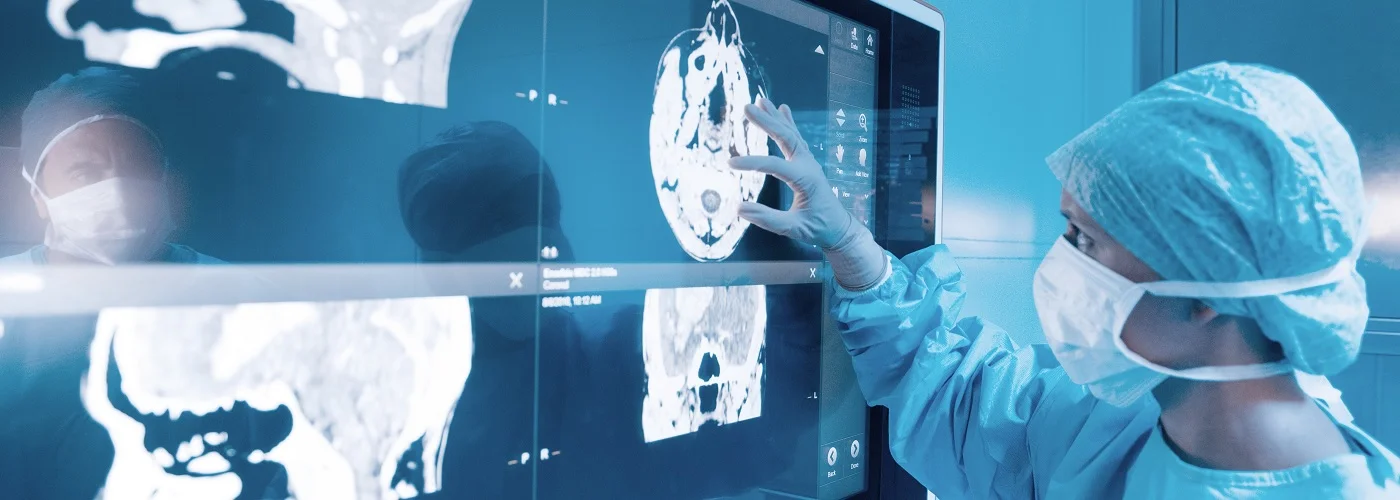
Neurologists are medical specialists who focus on the diagnosis, treatment, and management of neurological disorders that affect the nervous system, including the brain, spinal cord, and nerves.
At Gleneagles Hospital Kuala Lumpur, our experienced neurologists assess, investigate, and treat a wide range of conditions such as epilepsy and seizures, dementia, neuromuscular disorders, head injury, migraines, movement disorders, multiple sclerosis, and other complex nerve disorders.
For cases requiring surgical intervention, neurologists collaborate closely with neurosurgeons to ensure patients receive the best possible treatment.
The neurology specialists at Gleneagles Hospital Kuala Lumpur use advanced diagnostic tests to assess and identify various neurological conditions. These tests help us determine the most effective treatment plan, tailored to your individual health needs.
Once diagnosed, the highly experienced team of neurologists will design a comprehensive treatment plan to ensure optimal recovery.
Mainly for patients with a head injury, brain tumor, and nervous system disorders, the journey through diagnosis, treatment, recovery, and post-surgery rehabilitation will be accompanied by a compassionate team of healthcare professionals. Whether it's for spinal injuries or traumatic brain injuries, patients will experience nothing but the best skill and dedication of neurologists, neurosurgeons, psychiatrists, radiologists and nurses Gleneagles Hospital Kuala Lumpur has to offer.
Recovery is key in managing neurological conditions. Our Neuro-Rehabilitation programme is designed to help patients regain as much daily functionality and personal independence as possible through a comprehensive and tailored-to-fit treatment plan. Gleneagles Hospital Kuala Lumpur also offers continuity of care including any advice, counseling and follow up treatment.
Sometimes, lifestyle changes also have to be made or given thoughtful care, especially in dementia patients or those with disorders that require long-term care and treatment. But fret not, our compassionate and practical approach is widely appreciated.
Those experiencing one or more symptoms associated with neurological disorders, such as muscle weakness, confusion, spasms, seizures, loss of sensation, paralysis, or poor memory and concentration, are recommended to seek immediate professional attention.
Intervening early with diagnosis and treatment including potential surgical recommendations can make a world of difference for long-term positive results. If you or any of your loved ones exhibit any of the symptoms above, do get in touch with one of the best neurologists at Gleneagles Hospital Kuala Lumpur as soon as possible to begin the diagnostic process.
Due to the nature of neurological disorders, a large number of diagnostic tests might be required to ensure accurate screening results.
Our highly specialised and diverse team is ready to carefully screen for any conditions via the following:
A comprehensive medical history is a crucial part of diagnosing neurological disorders. This takes into consideration a detailed historical account of a patient's past and present health as well as medical related events including their family medical history. This type of comprehensive information is extremely valuable in helping the neurology specialists make an accurate diagnosis.
Echocardiography uses ultrasound technology to evaluate the structure of the heart and blood flow. It provides detailed images of the heart's chambers, valves, and surrounding blood vessels, helping diagnose conditions such as heart disease, valvular disorders, and blood flow problems. This test is crucial for identifying heart-related conditions that may affect overall neurological health, particularly in patients with a suspected stroke or heart disease.
A computerised x-ray is used to provide cross-sectional imagery of the body. This diagnostic tool is particularly useful for identifying brain tumors, blood clots, broken bones, cancer, and other neurological issues. It helps doctors quickly assess conditions like stroke, head injuries, and brain tumors, enabling the development of an appropriate treatment strategy based on the results.
Mental acuity will be assessed in a series of cognitive and neuropsychological tests that are designed to measure memory, language, mathematical skills, visual, and spatial recognition. These tests are specifically designed to assess the patient's functional level and help identify brain disorders, such as dementia, Alzheimer’s disease, and other cognitive impairments.
Cerebrospinal fluid (CSF) analysis involves testing the fluid surrounding the brain and spinal cord to look for evidence regarding brain conditions such as bacterial meningitis or cancer. By analysing the CSF, the specialists can detect abnormalities that may affect the central nervous system and take appropriate action for further treatment.
MRI (Magnetic Resonance Imaging) uses a strong magnetic field and radio waves to produce high-resolution images of the brain, spinal cord, and other body structures on a computer for the diagnosis of conditions in order for the appropriate treatment to be proposed.
A thorough physical examination is a crucial component in diagnosing neurological disorders. Patients may need to undergo evaluation of the physical body to help give insight into their overall health and motor response times.
A cerebral angiogram is a minimally invasive procedure used to capture detailed X-ray images of the brain’s blood vessels. During the test, a catheter is inserted into a blood vessel, and an iodine-based dye is injected to highlight the arteries and veins in the brain. This diagnostic tool is essential for detecting blockages, aneurysms, or other vascular abnormalities in the brain, helping guide the treatment plan for conditions such as stroke and brain aneurysms.
Neurological conditions encompass a wide range of disorders that affect the nervous system, and their symptoms can be as diverse as the conditions themselves. Recognising these symptoms is often the first step toward diagnosis and treatment. Below is a detailed list of common symptoms that may signal a neurological issue, warranting professional medical attention.
If you or a loved one experiences any of these symptoms, it’s important to seek medical attention from a neurologist to get an accurate diagnosis and start treatment early.
Neurological conditions differ from psychiatric disorders; neurological conditions tend to affect parts of the human nervous system, whereas psychiatric conditions are more often associated with overall mental health conditions such as mood, thought and behaviour. Recognising and treating neurological disorders is crucial for improving quality of life and preventing complications.
The following is a list of neurological conditions that are commonly diagnosed and treated by neurologists and neurosurgeons at Gleneagles Hospital Kuala Lumpur.
If you are experiencing symptoms related to any of these conditions, consult a neurologist for expert care and treatment. Early intervention can significantly improve long-term outcomes.
If you're experiencing any symptoms such as muscle weakness, confusion, seizures, or memory problems, don’t wait. Early diagnosis and treatment are crucial for effectively managing neurological conditions. The expert neurologists at Gleneagles Hospital Kuala Lumpur are dedicated to providing comprehensive assessments, advanced diagnostic tests, and personalized treatment plans to ensure the best possible outcomes for your health.
Schedule a consultation today and take control of your neurological health. We're here to support you every step of the way.
Whether you're dealing with brain and spinal cord issues or seeking a second opinion for complex conditions, our neurology specialists are here to provide expert care and guidance. Choose one of the best neurologists in Kuala Lumpur to receive a comprehensive diagnosis and a personalised treatment plan tailored to your neurological health. Book your consultation today and take the first step toward better health.


Wait a minute
Wait a minute